
Mongolian Wrestling Culture: History, Technique & Spirit of Bokh

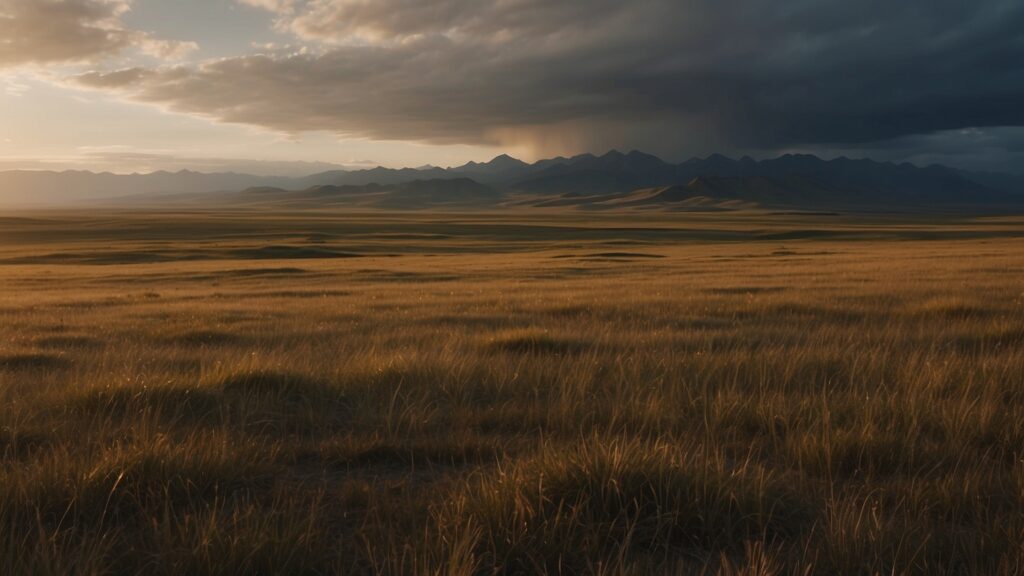
Most people think of wrestling as a sport. In Mongolia, it's closer to a language — one the country has been speaking for over two thousand years. The Mongolian Wrestling Federation recognizes a ranking system with titles that translate to Falcon, Elephant, Lion, and Champion. Those aren't marketing labels. They're a social hierarchy as real and meaningful as any military rank. If you want to understand Mongolian wrestling culture, you have to start there: this is not a game that happens to be old. It's an identity that happens to look like a game.
I came to Bokh wrestling sideways — through a training trip to Ulaanbaatar in 2014, tagging along with a judo coach who wanted to study the grip mechanics. What I found was something I wasn't prepared for. The wrestlers didn't just compete. They performed, prayed, celebrated, and grieved through the mat. The sport was load-bearing for everything else.
- In This Guide
- Why Wrestling Runs Through Mongolia's Blood
- The Three Games of Naadam: Wrestling's Central Stage
- Bokh Technique: How Mongolian Wrestling Actually Works
- The Wrestler's Outfit: Symbolism Woven Into Cloth
- Physical Strength and the Mongolian Body: Separating Fact from Myth
- Training, Rankings, and the Path to Becoming a Champion
- Wrestling as Cultural Diplomacy and Intangible Heritage
- Modern Mongolian Wrestling: Tradition Meets Contemporary Sport
- The Living Tradition Worth Knowing
- FAQ
In This Guide
- Why Wrestling Runs Through Mongolia's Blood
- The Three Games of Naadam: Wrestling's Central Stage
- Bokh Technique: How Mongolian Wrestling Actually Works
- The Wrestler's Outfit: Symbolism Woven Into Cloth
- Physical Strength and the Mongolian Body: Separating Fact from Myth
- Training, Rankings, and the Path to Becoming a Champion
- Wrestling as Cultural Diplomacy and Intangible Heritage
- Modern Mongolian Wrestling: Tradition Meets Contemporary Sport
Why Wrestling Runs Through Mongolia's Blood
Ask a Mongolian why wrestling matters and you'll get a patient look, like you've asked why breathing matters. The answer is obvious to them. It's less obvious from the outside — so let's actually work through it.
The Nomadic Roots of Combat Sport
For most of recorded history, Mongolian society was built on movement. Families followed their herds across the steppe, living in felt gers that could be packed and relocated in hours. There were no city walls to hide behind, no permanent armies to call on. Security came from individual and collective physical capability. Wrestling — Bokh, meaning "durability" or "strength" in Mongolian — trained exactly the qualities a nomadic warrior needed: balance on uneven ground, grip strength for horseback fighting, the ability to control a larger opponent with leverage rather than brute force.
Think of it like this: a nomadic culture selects for the same physical traits a good wrestler needs, generation after generation, because survival literally demanded them.
Wrestling as Survival, Not Spectacle
The earliest written references to Mongolian wrestling date to around 206 BCE, tied to Xiongnu confederacy practices. By the time Genghis Khan unified the Mongolian tribes in 1206, wrestling was already a standard part of military selection. Khan's generals used wrestling competitions to identify soldiers worth promoting. A man who could dominate the mat had the balance, the nerve, and the body mechanics to dominate on horseback.
This is where necessity shapes technique in ways that pure sport never does. Bokh throws aren't designed for a padded gymnasium floor. They're designed to put a man down hard on steppe ground and keep him there. The style rewards:
- Hip-loaded power over speed
- Grip endurance over quick-release technique
- Positional dominance over point scoring
- Size and leverage in roughly equal measure
Connection to Mongolia's Warrior Heritage
Genghis Khan's empire stretched from the Pacific to Eastern Europe by the 13th century — the largest contiguous land empire in history. That legacy sits heavy on Mongolian identity. Wrestling is one of the direct, living threads back to that era. When a young Mongolian boy steps onto the wrestling ground at a local festival, he isn't just competing. He's participating in something his ancestors used to choose warriors for the greatest cavalry force the world had ever seen.
I've watched that awareness on a wrestler's face right before a match. It isn't arrogance. It's weight.
The Three Games of Naadam: Wrestling's Central Stage

Naadam — the name comes from the Mongolian word for "games" — is the country's most important national festival. It runs every July, centered on July 11th, which marks Mongolian National Day and the anniversary of the 1921 revolution. The main event takes place in Ulaanbaatar at the National Sports Stadium, though regional Naadam festivals run across the country throughout the summer months.
What Is Naadam and When Does It Happen?
Naadam's three disciplines are:
- Bokh (wrestling)
- Uukhai (horse racing)
- Mergen (archery)
They're called the Three Games of Men — though that label is increasingly contested as women's participation grows. The festival draws tens of thousands of spectators in Ulaanbaatar alone. The opening ceremony involves military pageantry, traditional music, and the carrying of the nine white banners that symbolized Genghis Khan's power. It's not a tourist show. The ceremony carries genuine ceremonial weight for Mongolians.
How Wrestling Fits Into the Festival Structure
Horse racing and archery are spectacular. Wrestling is the prestige event. The reasons are practical: a horse race requires a horse, and archery requires a bow and years of specific training. Wrestling requires a body and the will to use it. Every Mongolian man theoretically has access to wrestling. That universality makes it the most democratic and the most personal of the three games.
The Naadam wrestling tournament follows a single-elimination bracket. The main Ulaanbaatar tournament fields 512 wrestlers — a number with historical significance, as it was the traditional size of the Khan's wrestling competitions. Matches have no time limit and no weight classes. A wrestler loses when any part of his body above the knee touches the ground.
The Role of Wrestling in Modern Mongolia
Prize money at Naadam exists but isn't the primary driver. The real currency is the title. A wrestler who wins the Ulaanbaatar Naadam earns the rank of Arslан (Lion). Win it multiple times and the title escalates. The social status that comes with a Naadam championship in Mongolia is roughly equivalent to what a Super Bowl ring means in the United States — except the cultural roots go three times as deep.
Bokh Technique: How Mongolian Wrestling Actually Works
Most writing on Mongolian wrestling culture skips the actual mechanics. That's a mistake, because the technique tells you everything about the philosophy underneath it.
The Grip, Stance, and Body Mechanics of Bokh
The first thing you notice in a Bokh match is the opening grip. Both wrestlers grab each other's jacket — the zodog, a tight-fitting open-chested vest — and establish a chest-to-chest clinch that looks almost like an embrace. The stance is wide, knees bent, weight distributed low. The center of gravity sits around the hips, not the chest.
I tried to work from a Bokh clinch during that 2014 trip and the first thing I felt was how much wrist and forearm strength it demands. You're not just holding fabric — you're fighting for sleeve and collar control while someone with hands like a blacksmith is doing the same to you. The grip is alive the whole time. It never goes neutral.
Key mechanical principles in Bokh:
- Low base: the stance is wider than in Greco-Roman, making single-leg attacks less viable
- Hip extension: most throws load through the hips, not the shoulders
- Chest contact: breaking chest contact is a tactical error — it gives the opponent space to set throws
- Patience: matches can run long; conditioning and composure matter as much as technique
Key Throws and Takedown Patterns
The dominant throw families in Bokh include:
- Outer hip throw (bügüljüü): load the opponent's weight onto your hip, rotate, drop them over
- Inner leg trip: time the opponent's step, hook the inner ankle, extend through the chest
- Chest-to-chest lift: pure strength — lift the opponent off the ground and deposit them
- Collar-and-elbow sweep: use the grip to off-balance, sweep the far leg
There are no ground-fighting rules in Bokh. The moment someone touches down, the match ends. This means every technique is designed for one purpose: put the opponent on the ground, stay standing yourself. Clean. Decisive. No scrambling.
Why Mongolian Wrestling Differs from Greco-Roman and Freestyle
The comparison table people want:
| Feature | Bokh | Greco-Roman | Freestyle |
|---|---|---|---|
| Weight classes | None | Yes | Yes |
| Time limit | None | 6 minutes | 6 minutes |
| Ground fighting | Not allowed | Not allowed | Allowed |
| Leg attacks | Allowed | Not allowed | Allowed |
| Grip target | Jacket | Body only | Anywhere |
| Losing condition | Any point above knee touches ground | Pinfall or points | Pinfall or points |
The no-weight-class rule is the biggest structural difference. A 90-kilogram wrestler can and does face a 140-kilogram opponent at Naadam. This rewards technique and leverage — but it also rewards size in a way Olympic wrestling doesn't. You can see where this gets complicated when Mongolia sends wrestlers to international competition.
The Wrestler's Outfit: Symbolism Woven Into Cloth

The Mongolian wrestling outfit is one of the most recognizable in any combat sport. And almost every explanation of it misses the real story.
The Deel and Its Cultural Meaning
The traditional wrestling costume has three components:
- Zodog — the jacket, usually made from silk or thick cotton, tight across the back and arms but open across the chest
- Shuudag — tight shorts, often red or blue, allowing full leg movement
- Gutal — traditional Mongolian leather boots with upturned toes
The zodog's embroidery and color often signals the wrestler's home region or sponsor. Red and blue are the dominant competition colors, mirroring the two sides in a traditional match. A champion's zodog may carry decorative silver clasps or embroidery earned through victories — it's a wearable record of achievement.
The Open-Chest Design: Function and Tradition
The bare chest is the detail everyone asks about. The explanation most often repeated is practical: it proves the wrestler is male. The story goes that a woman once won a Naadam tournament, and the open-chest design was introduced afterward to prevent it happening again. Whether that story is historically accurate or apocryphal, it's deeply embedded in Mongolian wrestling lore.
Functionally, the open chest also prevents certain grip strategies. You can grab the zodog but not wrap it around a bare torso. It forces the clinch to stay at the shoulders and back — which keeps the match in the Bokh tradition rather than drifting toward jacket-choke grappling styles.
Regional Variations and Color Significance
In Inner Mongolia (the Chinese autonomous region with a large Mongolian population), the wrestling costume follows similar lines but with some regional embroidery distinctions. Festival wrestlers sometimes wear hats — a traditional Mongolian hat is part of the ceremonial entrance, though it's removed before the match begins. The boots are non-negotiable. Competing barefoot is considered improper and is outside the rules at formal Naadam events.
Physical Strength and the Mongolian Body: Separating Fact from Myth
The question comes up constantly: why are Mongolian wrestlers so physically imposing? The honest answer is more interesting than the myth.
Why Mongols Developed Exceptional Strength
Nomadic pastoralism is manual labor at scale. Mongolian children historically grew up:
- Riding horses from age three or four (building core strength and balance)
- Herding livestock on foot across long distances
- Helping with seasonal migrations that required heavy physical work
- Participating in wrestling at local festivals from early childhood
That's not a training program. That's a life. The physical conditioning it produces is different from gym-built strength — it's connective tissue deep, built over years of load-bearing activity rather than isolated muscle training.
Diet, Lifestyle, and Genetic Factors
Traditional Mongolian diet — heavy in airag (fermented mare's milk), mutton, beef, and dairy — is high in fat and protein, low in processed carbohydrates. It's roughly what a modern strength coach would prescribe for a heavyweight grappler, arrived at through centuries of practical necessity rather than sports science.
Genetic adaptation to the Mongolian steppe climate is real but often overstated. Cold-climate populations do show some differences in metabolic efficiency and fat distribution. But I'd push back hard on anyone claiming Mongolians are genetically destined to be strong. The conditioning comes from the lifestyle, not the genome. Move any population into that environment and that daily physical demand, and you'd see similar results.
The Reality Behind the 'Superstrong' Stereotype
Here's where most accounts go wrong: they treat Mongolian physical strength as exotic or mysterious. It's neither. It's the predictable output of a physically demanding lifestyle combined with a cultural system that rewards strength from childhood. The mystery disappears when you look at the inputs.
What IS genuinely impressive is the grip strength and positional endurance of experienced Bokh wrestlers. Those qualities come specifically from the wrestling itself — years of fighting for jacket control builds forearm and wrist capacity that's hard to replicate in a gym.
Training, Rankings, and the Path to Becoming a Champion

Becoming a serious Bokh wrestler in Mongolia follows a path that would feel familiar to anyone who's trained in a traditional martial art — but the social stakes are higher.
How Young Wrestlers Train and Progress
Boys typically begin wrestling informally at local festivals and through family instruction. Formal training happens through:
- School wrestling programs (integrated into physical education at the national level)
- Regional wrestling clubs run by former champions or experienced coaches
- Mentorship under a personal trainer (zasuul) — a crucial figure who also serves as a ceremonial guide during competition
The zasuul is worth pausing on. He's not just a coach. During Naadam matches, the zasuul stands beside his wrestler, offering encouragement and performing the traditional Eagle Dance (devekh) after a victory — a ritualized arm-spreading movement that mimics a bird of prey. The coach and the ceremony are inseparable.
The Ranking System and Tournament Structure
The Mongolian wrestling ranking system awards titles based on performance at Naadam:
| Title | Mongolian | Meaning | Earned by |
|---|---|---|---|
| Falcon | Nachin | — | Winning 5 rounds at Naadam |
| Elephant | Zaan | — | Winning 7 rounds |
| Lion | Arslan | — | Winning the whole tournament |
| Titan | Avraga | — | Winning multiple championships |
The Avraga title — sometimes translated as Giant or Titan — is the highest honor in Mongolian wrestling. It's not given lightly. Wrestlers who hold it are national figures.
Famous Mongolian Wrestlers and Their Legacies
The most celebrated modern Avraga is Tüvshinbayar Naidan, a multi-time Naadam champion who also won Olympic gold in judo for Mongolia in 2008 — demonstrating how Bokh training transfers to international grappling formats. Bayanmunkh Battulga held the Avraga title across multiple Naadam cycles in the 2000s and is considered one of the greatest champions of the modern era.
These names matter. Mongolian wrestling culture isn't abstract — it has heroes with faces and histories.
Wrestling as Cultural Diplomacy and Intangible Heritage
In 2010, UNESCO inscribed Mongolian Naadam on its Representative List of the Intangible Cultural Heritage of Humanity. Wrestling sits at the center of that recognition. The listing isn't ceremonial — it comes with obligations around documentation, transmission to younger generations, and protection from commercialization that would hollow out the cultural content.
UNESCO Recognition and Preservation Efforts
The Mongolian government takes the UNESCO listing seriously, partly from genuine cultural pride and partly from the soft-power value it carries. The Mongolian Wrestling Federation maintains formal rules, certifies coaches, and organizes the national competition calendar. Regional governments fund local Naadam festivals as cultural preservation, not just entertainment.
What UNESCO recognized wasn't just the sport — it was the entire ecosystem: the zasuul relationship, the Eagle Dance, the ranking ceremonies, the costume traditions, the oral histories carried by senior wrestlers. Strip any of those out and you have a different thing.
Wrestling's Role in Mongolian Identity
Mongolia spent most of the 20th century under Soviet influence, which suppressed certain expressions of Mongolian national identity while tolerating others. Wrestling was tolerated — and it became one of the ways Mongolian culture survived the Soviet period intact. When Mongolia transitioned to democracy in 1990, Naadam and Bokh were already there, undamaged, ready to anchor a national identity that needed anchoring.
That's not an accident. Wrestling was load-bearing in a political sense too.
International Wrestling Exchanges and Soft Power
Mrs. Buyana Peljee, UWW Asia Secretary General, has actively used Mongolian wrestling as a platform for international cultural exchange — including inviting Wrestling for Peace Ambassador Dan Russell to experience Naadam firsthand. The Wrestling for Peace organization works at the intersection of sport and diplomacy, and Mongolia's wrestling culture is one of its most compelling case studies: a sport with enough cultural depth to open conversations that politics can't.
I think that's right. In twelve years of training across Asia, I've watched martial arts open doors that formal diplomacy leaves closed. Wrestling is particularly good at this because it's physical and immediate. You can't fake understanding someone's technique.
Modern Mongolian Wrestling: Tradition Meets Contemporary Sport
Traditional Mongolian wrestling culture isn't frozen in the 13th century. It's alive, which means it's changing — and not always comfortably.
How Wrestling Is Taught in Schools Today
The Mongolian Ministry of Education includes wrestling in the national physical education curriculum. This means most Mongolian boys receive at least basic Bokh instruction during their school years, regardless of whether they pursue competitive training. The curriculum covers:
- Basic stance and grip
- Entry-level throws
- The ceremonial elements (Eagle Dance, bow to the zasuul)
- Competition rules and ranking awareness
This integration is deliberate policy. The government views wrestling education as cultural transmission, not just athletic development.
Women's Wrestling and Changing Participation
Women do not compete in the main Naadam Bokh tournament. That's the traditional rule and it remains in place. But women's wrestling in Mongolia is growing — through separate competitions, international freestyle events, and increasing visibility in training environments.
The tension here is real. Some traditionalists argue that women's participation in Bokh specifically would change the ceremony's meaning — that the ritual framework (the zasuul, the Eagle Dance, the ranking titles) is gendered in ways that can't simply be grafted onto women's competition. Others point out that the "tradition" of excluding women is partly the product of the same historical period that excluded women from most public competition everywhere.
This argument is ongoing. Worth watching.
Challenges to Tradition in a Globalized Mongolia
Ulaanbaatar is a rapidly urbanizing city. The nomadic lifestyle that produced Bokh's physical and cultural foundation is less universal than it was a generation ago. Young Mongolians are choosing careers in tech, finance, and government — and spending less time on horseback.
The wrestling community is aware of this. Responses include:
- Increased school curriculum integration to reach urban youth
- Professionalization and sponsorship to make wrestling financially viable as a career
- International competition pathways — Mongolian wrestlers compete in judo, sambo, and freestyle wrestling at the Olympic level, often drawing on Bokh fundamentals
- Media coverage — Naadam matches are broadcast nationally and increasingly streamed internationally
The risk isn't that Mongolian wrestling culture disappears. The risk is that it becomes a performance of itself — a tourist-facing spectacle that loses the internal logic that made it meaningful. So far, the internal community has resisted that drift. The ranking system, the zasuul relationship, and the no-weight-class format at Naadam all remain intact. Those structural elements are the culture's immune system.
The Living Tradition Worth Knowing
Mongolian wrestling culture is one of the most complete examples of a martial art that remained genuinely functional — socially, physically, and historically — across two millennia without becoming either a museum piece or a stripped-down sport. Bokh wrestling is still the thing it always was: a test of the whole person, not just the athletic body.
The Naadam festival, the ranking titles, the zasuul ceremony, the open-chested zodog, the no-weight-class bracket — none of these are decorative. They're load-bearing. Remove any one of them and the structure changes.
If you want to go deeper, start with the UNESCO documentation on Naadam — it's genuinely detailed and freely available. If you train in any grappling art, find a Bokh practitioner and ask to work from the jacket clinch for twenty minutes. You'll learn more about hip mechanics in that session than in a month of reading.
Share this guide with someone who thinks wrestling is just a sport. It's a better conversation starter than most.
FAQ
What is the difference between Mongolian Bokh wrestling and Greco-Roman wrestling?
Bokh has no weight classes, no time limit, and ends the moment any part of the body above the knee touches the ground. Greco-Roman uses weight classes, a 6-minute clock, and scores on a points system with pinfall as the primary finish. Bokh also uses a jacket grip, while Greco-Roman forbids any grip below the waist and uses body-only clinch.